"To use my skills and experience to help people and organisations work in more sustainable, thoughtful, and responsible ways — without overcomplicating or overclaiming."
Laura's points
- 0 TODAY
- 0 THIS WEEK
- 92 TOTAL
Laura's actions

Biodiversity and Wildlife
Install a bumble bee colony in my garden
I did this last year from an online retailer who sells bumblebee colonies. I have a shelter in my garden and purchased a new colony which was installed on Saturday. It's lovely to see the bees orienting themselves in the garden and starting to explore the flowers.
Water
Create My Own Water Action
Everyone’s water needs and use are different. I will create an action that works for my life and supports water resilience—and make my commitment public by sharing it in the feed to inspire others.
Participant Feed
-
 Laura Parry 4/23/2026 8:08 AM
- Pet Parent 🐾
🌿 My Water Footprint StoryLiving in rural North East Scotland, I’ve become much more aware of how water is used in daily life – not just in obvious ways like showers and laundry, but across everything we consume.When I first calculated my water footprint (using Copilot!), my direct household use turned out to be relatively low. I keep showers short (around five minutes), only run a couple of laundry loads a week, and generally try to be conscious of everyday use. That comes out at roughly 120–130 litres per day, which is slightly below the UK average of around 140 litres.
I then used the extended water calculator tool which calculated a more detailed view - this came back as 577 m³/year ≈ 1,580 litres per day.
What really stood out is that direct water use is only a small part of the picture; the vast majority of water consumption is “hidden” in the things we consume, particularly food. So even with a fairly typical, moderate diet, it's interesting just how much this adds up when you look at every component.
One thing that does make a meaningful difference in my case is how I manage water on my property. I have three horses and chickens, which would normally increase water use significantly. Horses drink a LOT, particularly my Friesian who guzzles at least 80 litres per day - no exaggeration, I serve the horses their water in 40 litre buckets and she can easily get through 2 buckets in 24 hours when stabled.
However, I collect and use rainwater through two large water butts outside the stable, and a bowser on the field. These are what I use for animal drinking water and cleaning out/rinsing feed bowls. These hugely reduce my reliance on mains water and feels like a more sustainable way of working with the environment rather than against it. I also reuse a lot of 'waste' water - horses need clean (or at least cleanish) water. I give the horses fresh water daily, so rather than throwing away water the horses haven't drunk from their buckets, I make sure to use this for rinsing - or sometimes even watering my vegetable plot!
The biggest takeaway for me is that water footprint isn’t really about the obvious things like how long you spend in the shower. It’s about the bigger picture – how food is produced, how much we buy, and how we design our lifestyles.
For me, small daily habits help, but the most important changes are about being more mindful overall – and making use of what’s naturally available where I live.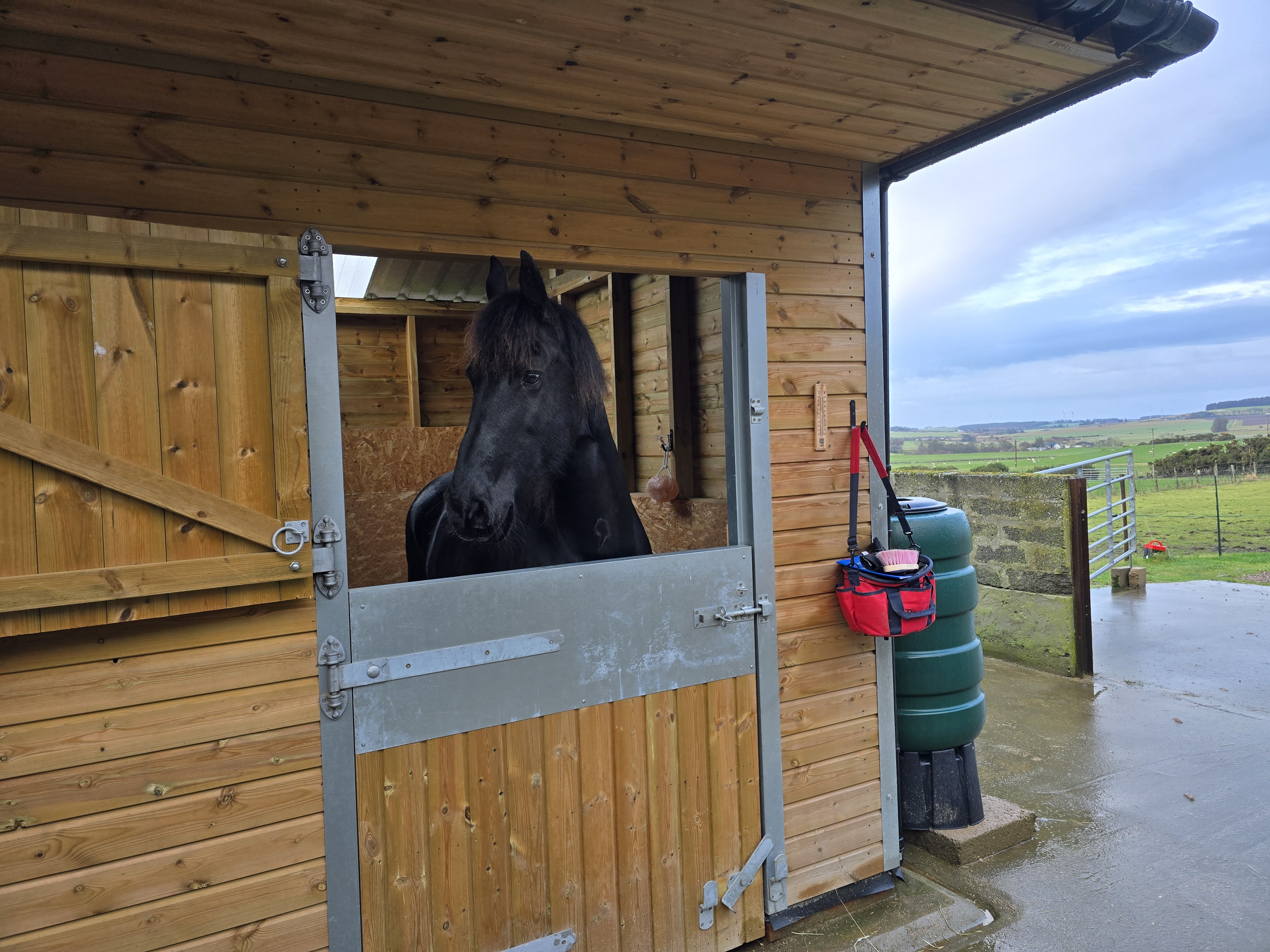
-
Laura Parry 4/23/2026 5:51 AM- Pet Parent 🐾
I only learned of this challenge from a team meeting on Monday so keen to get going; this month has been great - I live in the far north of Scotland, UK, and am so lucky to be surrounded by nature. I run a 4-acre smallholding and have a beautiful garden full of natural plants and trees (I did actually count the trees a couple of years ago - there were 169 although a couple fell down in recent storms, so a few less now!).
In the garden itself I have installed a colony of 80 bumble bees which I installed last weekend (20th April) and have 8 chickens, 3 horses, 2 dogs and of course the mandatory barn cat. The horses have most of the land but I should add that I look after the land very carefully - if you have 3 horses on a small acreage then you inevitably become a grass farmer. There is a track system installed around the edges of each paddock to ensure movement and enrichment and I am careful to ensure there are all varieties of trees and shrubs to attract a diverse array of wildlife.
The lawn has large areas of dead wood for hedgehogs and bugs to hide in, and I only cut the very centre, leaving wild grass and flowers to proliferate. There is also a vegetable garden with raised beds which grow broccoli, potatoes, carrots, radishes and assorted herbs.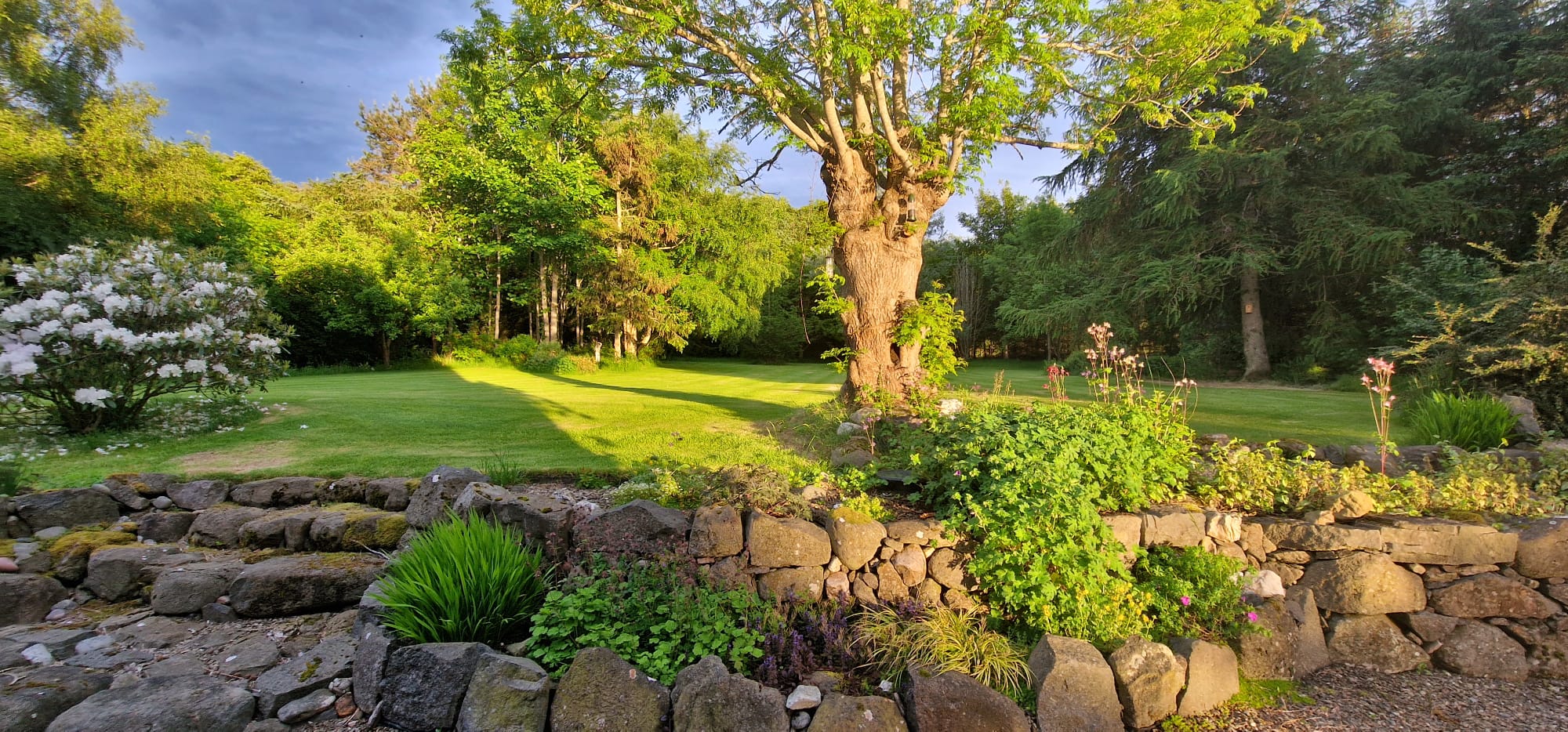
Between each of the paddocks there are plentiful natural plants, trees and bushes which are a haven for wildlife. I see deer frequently (known to be a pest in Scotland as they remove bark from trees, but I like seeing them). There are foxes, badgers, owls, moles and probably more creatures that hide away. And one of the nicest features is the burn (stream) that passes down between two of the fields. The banks are, again, a haven for wildlife and there are alder trees growing here. Although it's all very small scale, it's still a lot of work (especially with the horses and a full time job) but it is truly my little piece of paradise.
-
Laura Parry 4/23/2026 7:12 AM- Pet Parent 🐾
Ah thank you: I'm in zone 7-8 (North East Scotland, cool temperate). We get quite severe winters - dark at 3pm, which is tough; but on the plus side and because we're so far north we also get glorious long summer days where it doesn't really get dark at all. It is a lot of work but very rewarding too. And great for fitness! -
 Cindy Cagley 4/23/2026 6:08 AM
- Pet Parent 🐾
What a beautiful paradise you have. Heaven on Earth. I love the lichen on the stones. What growing zone are you in? You are very lucky to have this. I bet it is a lot of work but so worth it.