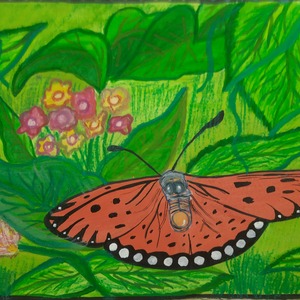
"The Eco Earth Month Challenge is dedicated to creating awareness and driving change by encouraging sustainable practices in our daily lives. Together, we strive to protect nature, support biodiversity, and contribute to a healthier planet through collective action and conscious living."
SANIKA 's points
- 0 TODAY
- 50 THIS WEEK
- 647 TOTAL
participant impact
-
UP TO24locally sourced mealsconsumed
-
UP TO2.0pieces of litterpicked up
-
UP TO1.0water footprintcalculated
-
UP TO300gallons of watersaved
-
UP TO16ideas and resourcesshared
-
UP TO1.0sharing economyexplored
-
UP TO1.0advocacy actioncompleted
-
UP TO2.0community eventshosted or attended
-
UP TO23hoursvolunteered
-
UP TO20treesplanted
-
UP TO11minutesspent learning
SANIKA 's actions
Soil and Food
Grow Something to Eat
Growing food builds resilience by connecting us to the soil and reducing reliance on long supply chains. I will grow edible plants—such as herbs, vegetables, or grains—in my home, balcony, or community space, strengthening both my food security and local biodiversity.
Water
Mulch the Base of Trees and Plants
Mulching helps soil hold water and reduces runoff. I will mulch the base of trees or other plants at home, school, or in my community to improve water retention and soil health.
Action Track
Host a Cleanup Event with Colleagues
Shared projects at work strengthen teams and build organizational resilience. I will host or join 1 cleanup events with colleagues, classmates, or group members to improve our environment and strengthen collaboration.
Biodiversity and Wildlife
Speak Up for Wildlife Protection
Wildlife needs support from people. I will take 1 actions, such as volunteering, signing petitions, contacting leaders, or sharing information on social media, to help protect habitats and species.
What is resilience?
Share a Definition of Resilience
Sharing builds common understanding. I will share 1 definitions of resilience that resonate with me—through conversations, social media, or the event feed—to help others explore what resilience means.
Work and Organizations
Join or Start a Green Team
Green teams strengthen resilience by creating shared responsibility. I will join or help start a green team in my workplace, school, or community group to support sustainability and collaboration.
Community
Host a Gathering
Bringing people together helps strengthen bonds. I will organize and host a gathering, such as a potluck, coffee meet up, or shared meal, for friends, family, colleagues, or neighbors to foster connection and community spirit.
Water
Create My Own Water Action
Everyone’s water needs and use are different. I will create an action that works for my life and supports water resilience—and make my commitment public by sharing it in the feed to inspire others.
Water
Take Shorter Showers
Conserving water helps protect this precious resource. I will shorten my showers to 5 minutes to save water and reduce energy use - each time saving up to 20 gallons (75 L) of water!
Soil and Food
Eat Local and Seasonal Foods
Local and seasonal foods require fewer resources, support nearby farmers, and keep soils healthier through diverse planting. I will source 1 meals per week from local or seasonal producers—such as markets, CSAs, or co-ops—to strengthen community food resilience.
Biodiversity and Wildlife
Reduce Light Pollution
Too much artificial light can confuse and harm animals, especially those active at night. I will reduce sources of outdoor light or switch to wildlife-friendly fixtures to support healthy habitats.
Personal
Prepare for Extreme Weather
Extreme weather events like hurricanes, wildfires, and floods can disrupt lives and upend our communities. I will take proactive steps to prepare for extreme weather by safeguarding my home and creating or updating an emergency plan and kit with essential supplies, evacuation routes, and contact information.
Biodiversity and Wildlife
Choose Native Plants
Native plants provide food and shelter for local wildlife and help ecosystems adapt to change. I will choose native plants for my yard, balcony, or community space instead of non-native or ornamental species to support biodiversity resilience.
Community
Join a Group
Belonging to a group can help build friendships and a sense of purpose. I will explore online or in-person groups or clubs that share my interests or goals and join a group to connect with others.
Personal
Go Get a Check Up
Regular health check-ups help prevent problems before they start. I will schedule or attend a medical, dental, or mental health check-up to take care of my well-being.
Community
Swap and Share with Others
Swapping and sharing resources reduces waste and builds community bonds. I will participate in 1 swaps or sharing activities, like borrowing items, attending or hosting a swap meet, or giving away items I no longer need to support a sharing economy with friends, family, colleagues or neighbors.
Soil and Food
Learn How to Save Pollinators
Bees and other pollinators are vital to ecosystems and agriculture. I will spend 1 minutes learning how to support local pollinators and take at least one action—such as planting native flowers or avoiding pesticides—to help sustain resilient ecosystems and harvests.
Biodiversity and Wildlife
Leave the Leaves
Fallen leaves, logs, and brush provide shelter and food for wildlife. I will leave natural features in my yard or community space to help strengthen biodiversity and soil resilience.
Work and Organizations
Map Local Risks and Resources
Preparedness is part of resilience. I will spend 5 minutes with colleagues identifying potential risks (such as weather, supply chain, or staffing issues) and the resources or strategies available to address them.
Water
Understand My Water Footprint
Each of us has a water footprint, directly linked to our daily activities as well as the water required in the production of things we use each day. Understanding our water use is important for a healthy planet. I will calculate my water footprint and look for a few ways I can reduce consumption or waste, then share what I learned on the feed.
What is resilience?
Share a Resilience Story
Stories connect and inspire us. I will share 1 resilience stories—either from my life, my community, or from a leader or culture I admire—through conversations, social media, or the event feed to help others see resilience in action.
Personal
Share a Health or Well-being Resource
Sharing knowledge helps others nurture their well-being. Through social media, in the Ecochallenge feed, or in conversations, I will share 1 health or well-being resources with friends, family, or my community to promote a healthier, more resilient world.
Action Track
Plant Trees
Trees are vital for resilience, storing carbon, sheltering biodiversity, and protecting water and soil. I will plant 1 trees in my yard, community, or through a local project to help ecosystems adapt and thrive.
Personal
Reduce Refined Sugar
Cutting back on refined sugar can improve energy, mood, and overall health. I will limit my intake of sugary snacks and drinks by reducing refined sugar in meals or snacks each day.
Participant Feed
-
REFLECTION QUESTIONCommunityHow did joining a group make you feel more connected or supported?Why do you think belonging to a group helps people face challenges more effectively?
SANIKA DESHMUKH 4/14/2026 10:45 PMJoining a group often creates a sense of belonging and reassurance. Being around people with similar interests or experiences can make you feel understood and less alone. Simple things—like sharing ideas, getting encouragement, or knowing someone will listen—build emotional safety. Over time, this connection can boost confidence and reduce stress, because you realize others are willing to support you, not judge you.Belonging to a group helps people face challenges more effectively because shared support strengthens resilience. Groups offer different perspectives, problem‑solving ideas, and emotional encouragement that one person might not access alone. When challenges are shared, they feel lighter, and seeing others overcome difficulties can be motivating. The sense of accountability and mutual care also helps people stay consistent, hopeful, and proactive when facing obstacles. -

SANIKA DESHMUKH 4/14/2026 10:44 PMApril is Earth Month 💚
A reminder that protecting our planet starts with small, everyday actions—saving energy, reducing waste, and making mindful choices.
Let’s work together to build a healthier, greener future for generations to come.#EarthMonth #ProtectOurPlanet #GoGreen-
Nancy Shen 4/14/2026 10:48 PM- Exercise Lover 🤸
-
-
SANIKA DESHMUKH 4/08/2026 11:07 AMOne planet. One chance. 🌍
Let’s make Earth Month the start of lasting change. 💚
#EarthMonth #LoveYourEarth #EcoFriendly -
SANIKA DESHMUKH 4/07/2026 5:50 AMSmall actions. Big impact.
This Earth Month, let’s choose sustainable habits and work together to protect our planet—today and for the future.#EcoEarthMonth #GoGreen #SustainableLiving -
REFLECTION QUESTIONBiodiversity and WildlifeWhat lights did you reduce or change, and how might this help wildlife near you?
SANIKA DESHMUKH 4/07/2026 5:47 AMI reduced the use of bright outdoor lights around my home, especially porch lights and garden lights that stayed on all night. I also changed a few bulbs to warmer, lower‑intensity LEDs and made sure lights were switched off when they weren’t needed.These changes can help wildlife in several ways. Bright artificial light at night can disorient insects, especially moths, which are naturally attracted to light and may exhaust themselves or become easy prey. Reducing outdoor lighting also helps birds, as strong night lighting can interfere with their navigation and migration patterns. Additionally, lowering light pollution benefits nocturnal animals like bats and small mammals by preserving their natural night–day cycles, making it easier for them to forage and avoid predators.Overall, using fewer and softer lights helps keep the local environment darker and more natural, which supports healthier ecosystems near my home. -
SANIKA DESHMUKH 4/06/2026 1:16 AMApril is Earth Month — a reminder that protecting our planet starts with everyday choices. From saving energy and reducing waste to supporting eco‑friendly habits, every small step helps build a greener, healthier future. Let’s commit to caring for the only home we have — not just this month, but every day. -
REFLECTION QUESTIONBiodiversity and WildlifeWhat natural features did you leave in place, and what wildlife do you think could benefit from them?
SANIKA DESHMUKH 4/02/2026 3:28 AMWe left native trees, shrubs, and natural ground cover in place, along with rocks, fallen logs, and existing water features. These support birds (nesting and shelter), insects and pollinators (food and breeding), small mammals (cover), and amphibians and reptiles (moist habitats and hiding spots) -
REFLECTION QUESTIONWork and OrganizationsHow does being part of a green team strengthen collaboration? What role can green teams play in building organizational resilience?
SANIKA DESHMUKH 3/31/2026 10:30 PMBeing part of a green team strengthens collaboration by bringing people together around a shared purpose beyond day‑to‑day work. Team members from different roles collaborate on sustainability initiatives, share ideas, divide responsibilities, and learn from one another. Working toward common environmental goals builds trust, improves communication, and encourages cross‑functional teamwork, making collaboration more natural and effective.Green teams play an important role in building organizational resilience by promoting adaptability, awareness, and long‑term thinking. They help organizations reduce environmental risks, encourage responsible resource use, and engage employees in problem‑solving. By fostering innovation, collective ownership, and a culture of sustainability, green teams help organizations respond better to change and remain strong in the face of environmental, social, or operational challenges.-
Ashwini Tamboli 3/31/2026 11:52 PM- TEAM CAPTAIN
-
-
REFLECTION QUESTIONWhat is resilience?What definition of resilience did you choose to share, and why? How did others respond to it, and did it spark any new insights for you?
SANIKA DESHMUKH 3/31/2026 10:30 PMI shared a definition of resilience as the ability to adapt, recover, and keep moving forward despite challenges. I chose this definition because it emphasizes flexibility and learning, rather than just endurance, and feels more realistic for everyday life.Others responded positively and shared their own examples of adapting to change—at work, with health, or in personal situations. Their perspectives helped me realize that resilience looks different for everyone and often develops through small, consistent efforts. It reinforced the idea that resilience is not a fixed trait, but a skill we continue to build over time. -
REFLECTION QUESTIONWhat is resilience?What story did you share, and how did it feel to share it? Did telling or hearing resilience stories shift how you think about strength and adaptability?
SANIKA DESHMUKH 3/31/2026 10:29 PMI shared a story about making small but consistent lifestyle changes—like reducing refined sugar and being more mindful about daily habits—and how those changes gradually improved my well‑being. Sharing it felt empowering and reassuring, especially knowing others could relate or feel encouraged by it.Listening to and telling resilience stories shifted my understanding of strength. It showed me that strength isn’t always about big actions, but about adaptability, consistency, and learning from challenges. These stories reinforced that resilience is a shared experience, and we often grow stronger by learning from one another.