Margaret's points
- 0 TODAY
- 0 THIS WEEK
- 490 TOTAL
participant impact
-
UP TO8.8poundswaste composted
-
UP TO9.0waste auditsconducted
-
UP TO260gallons of watersaved
-
UP TO1.0donationmade
-
UP TO980minutesspent exercising
-
UP TO2.0advocacy actionscompleted
-
UP TO1.0community eventhosted or attended
-
UP TO90minutesspent learning
Margaret's actions
Water
Take Shorter Showers
Conserving water helps protect this precious resource. I will shorten my showers to 5 minutes to save water and reduce energy use - each time saving up to 20 gallons (75 L) of water!
Soil and Food
Compost My Food Waste
Composting turns waste into a resource, building soil health and cutting methane emissions from landfills. I will compost food scraps at home, school, or in my community, which avoids sending up to 0.42 lbs (0.19 kg) of food waste to the landfill per day.

Biodiversity and Wildlife
Speak Up for Wildlife Protection
Wildlife needs support from people. I will take 2 actions, such as volunteering, signing petitions, contacting leaders, or sharing information on social media, to help protect habitats and species.
Biodiversity and Wildlife
Donate to Support Wildlife
There are many amazing projects supporting wildlife and their habitats. I will choose a project or organization to support that helps species and habitats I care about and make a donation.
What is resilience?
Notice Resilience Around Me
Resilience shows up in many places. I will look for one example of resilience in my surroundings—whether in my community, work, or daily life—and reflect on what it teaches me about adapting to change.
Personal
Exercise Daily
Daily movement supports our physical and mental health. I will spend 30 minutes each day exercising in a way that feels good to me, such as walking, running, stretching, or dancing.
Action Track
Take Part in a Community Beautification Project
Working together builds resilience and pride in the places we care about. I will participate in 1 community projects such as a cleanup or local beautification project that strengthens connections and shared purpose.
Soil and Food
Learn How to Save Pollinators
Bees and other pollinators are vital to ecosystems and agriculture. I will spend 15 minutes learning how to support local pollinators and take at least one action—such as planting native flowers or avoiding pesticides—to help sustain resilient ecosystems and harvests.
Work and Organizations
Reduce Waste in My Organization
Waste reduction supports both ecological and organizational resilience. I will work with others to conduct a waste audit and reduce waste in my organization, such as paper, plastics, or energy use.
Soil and Food
Grow Something to Eat
Growing food builds resilience by connecting us to the soil and reducing reliance on long supply chains. I will grow edible plants—such as herbs, vegetables, or grains—in my home, balcony, or community space, strengthening both my food security and local biodiversity.
Biodiversity and Wildlife
Choose Native Plants
Native plants provide food and shelter for local wildlife and help ecosystems adapt to change. I will choose native plants for my yard, balcony, or community space instead of non-native or ornamental species to support biodiversity resilience.
Participant Feed
-
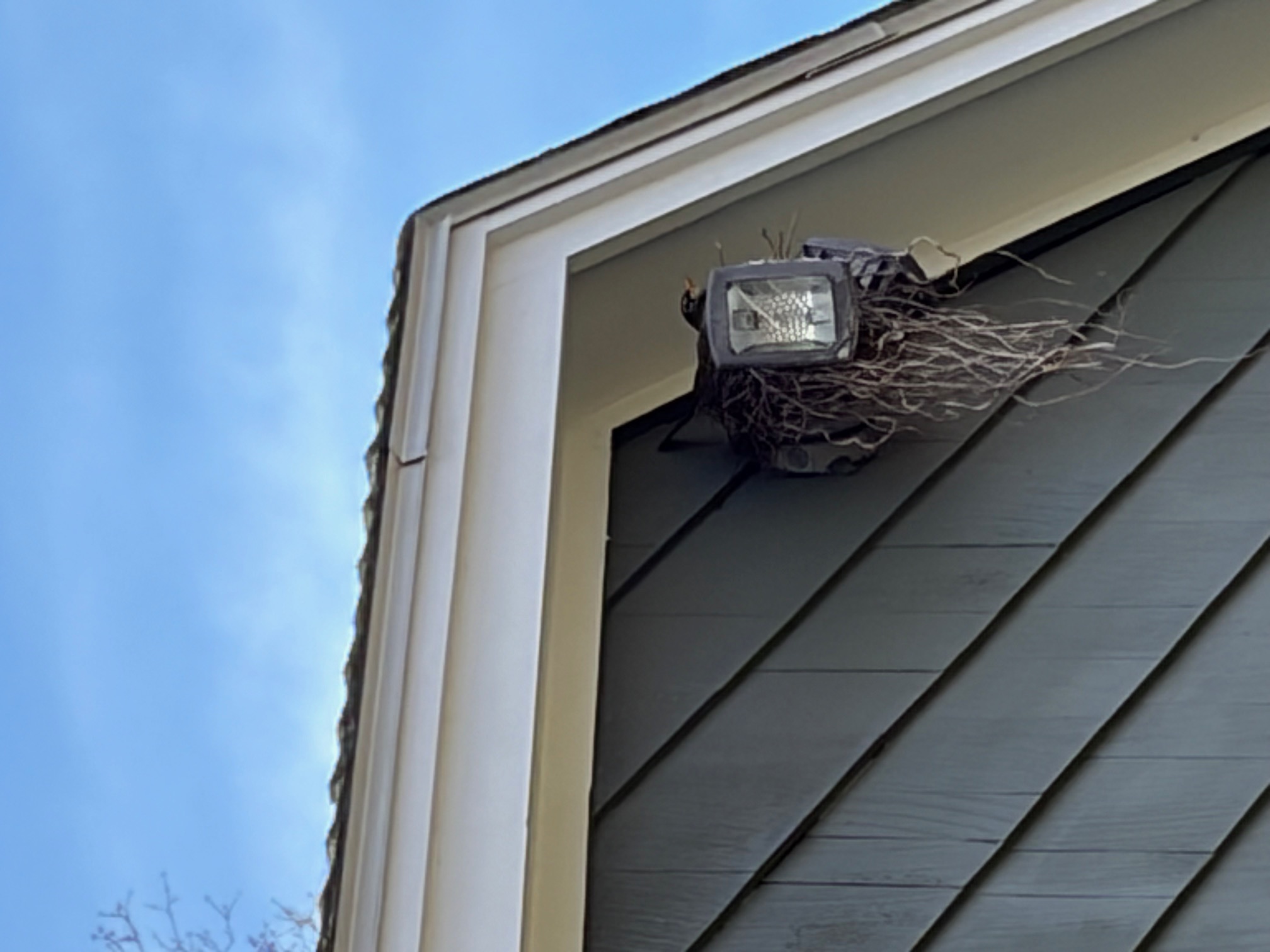
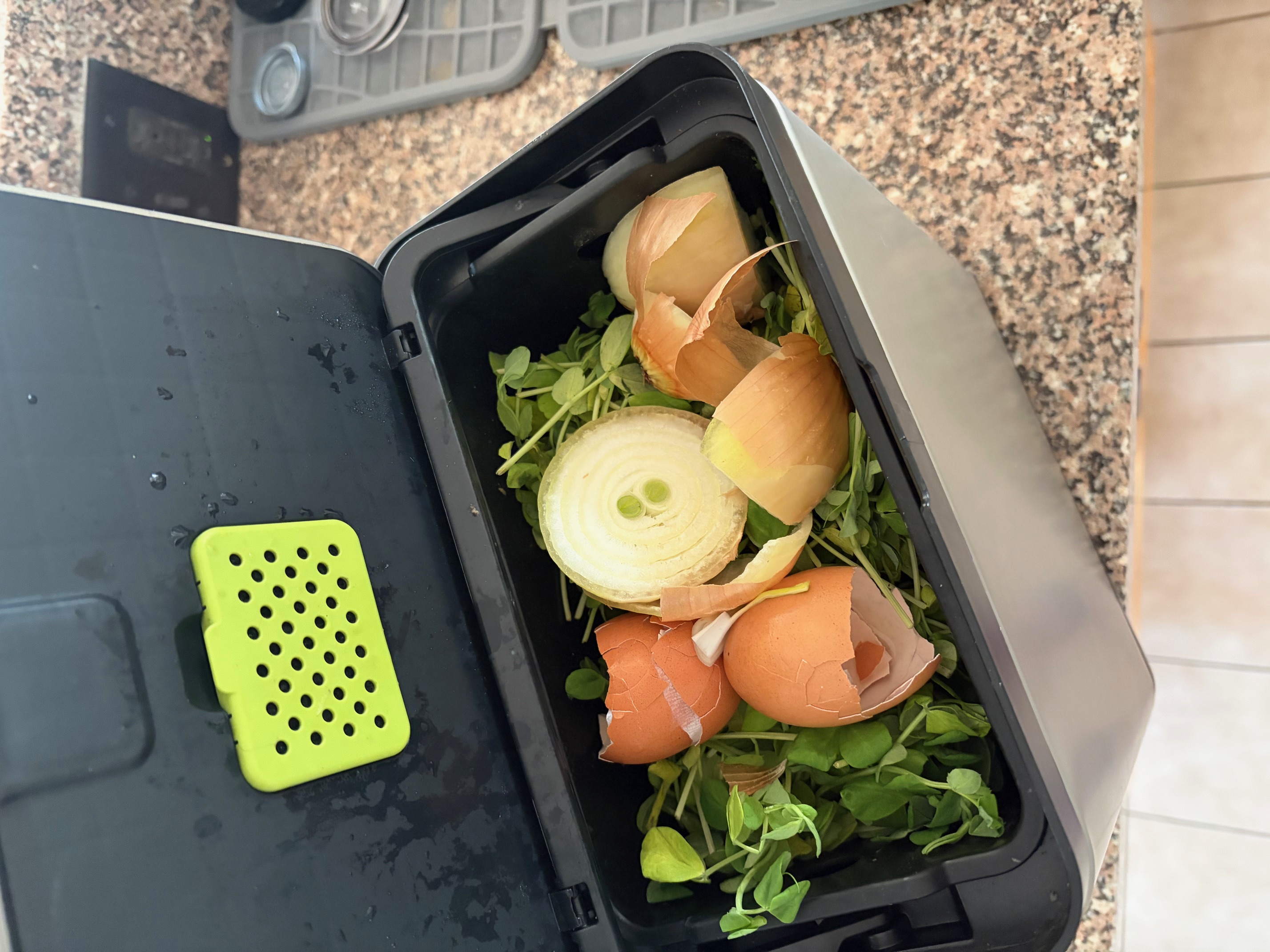
 Margaret Byrne 4/16/2026 8:15 AMHappy to share that with the warm weather returning to Massachusetts, our household compost and garden are back up and running for the season! We also have a few bird nests in the backyard, and one robin pair even decided that our house flood lights would make a good nest area. Love seeing the areas birds pick, especially after stopping all pesticides and herbicides on our property and switching to native plants. Reminder, don't pull up any brush or leaves until it consistently stays above 50°F for at least five days, as animals and insects use that cover for warmth and protection.